

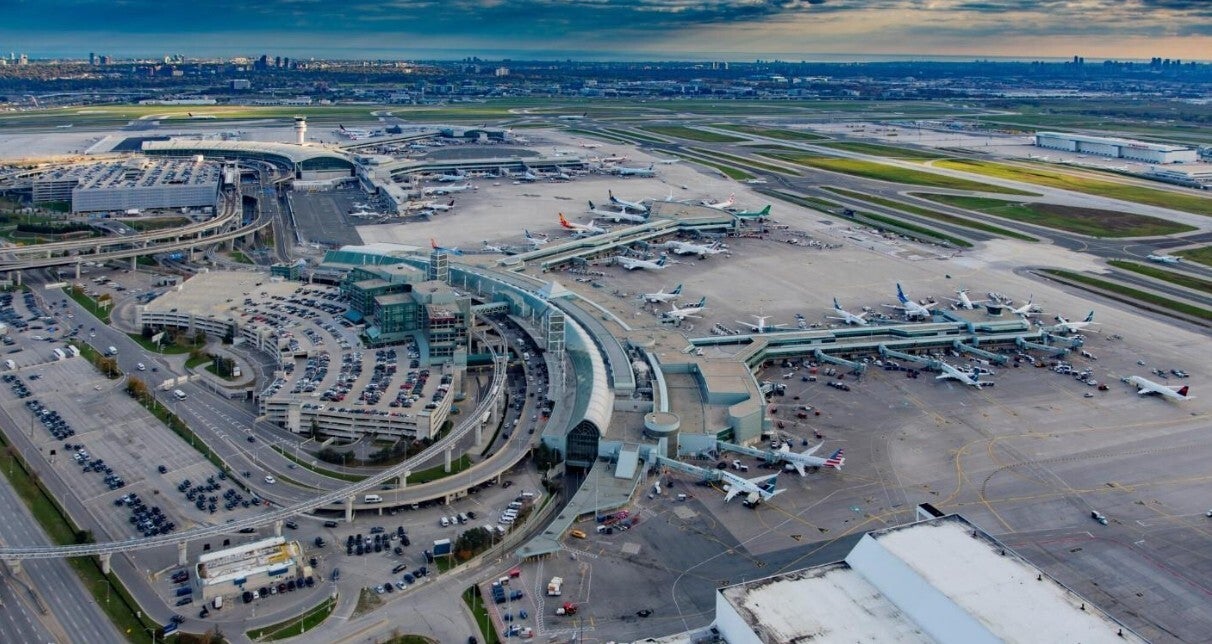
WHY AIRPORTS CHOOSE DIVISION 31 GEO
WHY D31 GEO?
Airports face unique environmental risks shaped by their operations, history, and surrounding land uses. PFAS is only one part of the picture.
Airports also encounter:
- Pesticides and herbicides used for vegetation control
- Contaminants migrating from nearby industrial or agricultural properties
- Legacy chemicals from historical operations
- Stormwater-driven transport of off-site pollutants
Division 31 GEO is the only aviation-focused environmental firm built around:
- Civil engineers, environmental scientists, soil scientists, microbiologists, analytical chemists, and construction professionals
- PFAS-exclusive investigation, remediation, and soil management expertise
- Regional aviation project teams supporting airports nationwide
- Proprietary tools that quantify PFAS and co-contaminant risk
- A philosophy centered on treating, stabilizing, and managing soils on-site whenever feasible
Every airport type has a distinct contamination profile - and we tailor our services to match those risks.
AIRPORT-TYPE-SPECIFIC CONTAMINATION PROFILES
Each airport type. Each contamination source. Each probability. One aviation‑focused partner.
COMMERCIAL SERVICE AIRPORTS (LARGE, MEDIUM, SMALL, NON-HUB)
Operational Profile
High‑frequency operations, ARFF requirements, deicing programs, maintenance hangars, fuel farms, and complex stormwater systems.
Primary Contamination Sources
- Legacy AFFF use
- Deicing/anti-icing runoff
- Fuel spills and hydrant leaks
- Maintenance solvents and detergents
- Stormwater infiltration basins
- Pavement reconstruction disturbing legacy PFAS soils
- Pesticide/herbicide use for infield and perimeter vegetation control
- Migration from nearby industrial zones, rail yards, highways, and landfills
Contaminant Types
- PFAS
- Glycols
- TPH, BTEX
- Solvents
- Metals
- Chlorinated pesticides (DDT, dieldrin), organophosphates, carbamates, glyphosate, 2,4-D, atrazine
- Industrial VOCs from adjacent facilities
Probability of PFAS Impact
Very High
Why D31 GEO
We integrate PFAS and co‑contaminant management into CIP schedules, airfield safety, and operational continuity.
Services We Provide
- PFAS & pesticide investigations
- Isometric visualization of contaminant plumes
- On‑site containment cell design
- Stormwater conveyance & treatment
- Soil segregation & reuse strategies
- Remedial design & implementation
- Long-term monitoring & compliance
RELIEVER AIRPORTS
Operational Profile
High GA traffic, business aviation, maintenance facilities.
Primary Contamination Sources
- Hangar AFFF discharges
- Fuel spills
- Maintenance solvents
- Stormwater infiltration
- Herbicide use along taxiways and fence lines
- Migration from nearby commercial/industrial properties
Contaminant Types
- PFAS
- TPH, BTEX
- Solvents
- Herbicides (glyphosate, 2,4-D)
- Industrial VOCs
Probability of PFAS Impact
High
Why D31 GEO
Reliever airports often lack environmental staff depth - we provide turn-key PFAS and co‑contaminant programs.
Services We Provide
- PFAS & herbicide sampling
- Containment systems for hangars
- Fuel farm secondary containment
- Soil management during pavement rehab
- Monitoring & reporting
PUBLIC-USE GENERAL AVIATION AIRPORTS
Operational Profile
Flight schools, small hangars, maintenance shops, fuel storage.
Primary Contamination Sources
- Hangar AFFF discharges
- Fuel spills
- Maintenance solvents
- Pesticide/herbicide use for vegetation control
- Migration from nearby agricultural operations
Contaminant Types
- PFAS
- TPH, BTEX
- Solvents
- Agricultural herbicides (atrazine, 2,4-D)
- Legacy pesticides (chlordane, dieldrin)
Probability of PFAS Impact
Moderate to High
Why D31 GEO
GA airports often discover contamination during construction or stormwater permitting.
Services We Provide
- PFAS & pesticide investigations
- Soil management plans
- Containment cell design
- Stormwater controls
- Regulatory strategy
MILITARY AIRFIELDS
Operational Profile
High‑intensity ARFF, large fuel storage, munitions, maintenance depots.
Primary Contamination Sources
- Repeated AFFF training
- Hangar suppression systems
- Fuel spills
- Munitions residues
- Industrial maintenance operations
- Pesticide/herbicide use for perimeter and airfield vegetation control
- Migration from adjacent industrial or defense facilities
Contaminant Types
- PFAS (extremely high)
- TPH, BTEX
- Solvents
- Metals
- Explosives residues
- Chlorinated pesticides
- Herbicides (glyphosate, dicamba)
Probability of PFAS Impact
Extremely High
Why D31 GEO
We understand mission‑critical operations and deliver solutions that maintain readiness.
Services We Provide
- High-resolution PFAS & pesticide investigations
- Engineered containment systems
- Soil stabilization & treatment
- Stormwater treatment
- Long-term monitoring
- DoD regulatory coordination
HELIPORTS (HOSPITAL, CORPORATE, INDUSTRIAL, PUBLIC SAFETY)
Operational Profile
Small footprint, emergency operations, rooftop or ground-level pads.
Primary Contamination Sources
- AFFF discharges
- Fuel spills
- Maintenance fluids
- Herbicide use around pads and approach paths
- Migration from adjacent industrial facilities
Contaminant Types
- PFAS
- TPH
- Solvents
- Herbicides (glyphosate)
- Industrial VOCs
Probability of PFAS Impact
Moderate to High
Why D31 GEO
Heliports require precision, small‑site containment, and rapid mobilization.
Services We Provide
- PFAS & herbicide sampling
- Small-site containment systems
- Vaulted deicing/collection systems
- Stormwater controls
- Remediation & monitoring
SEAPLANE BASES
Operational Profile
Direct water interface, shoreline operations.
Primary Contamination Sources
- Fuel spills
- Maintenance fluids
- Occasional AFFF discharges
- Herbicide use along shorelines
- Migration from upstream agricultural or industrial sources
Contaminant Types
- PFAS
- TPH
- Solvents
- Herbicides (aquatic‑approved formulations)
- Legacy pesticides in sediment
Probability of PFAS Impact
Low to Moderate
Why D31 GEO
Seaplane bases require water-focused PFAS strategies and shoreline protection.
Services We Provide
- PFAS & pesticide sampling in water/sediment
- Shoreline containment
- Stormwater controls
- Remediation & monitoring
PRIVATE-USE AIRPORTS (WITH FUEL OR MAINTENANCE)
Operational Profile
Corporate aviation, private hangars, maintenance, fuel storage.
Primary Contamination Sources
- Hangar AFFF discharges
- Fuel spills
- Maintenance solvents
- Herbicide use along taxiways and aprons
- Migration from nearby commercial or agricultural land
Contaminant Types
- PFAS
- TPH
- Solvents
- Herbicides (glyphosate, 2,4-D)
- Legacy pesticides
Probability of PFAS Impact
Moderate to High
Why D31 GEO
Private airports need discreet, efficient, and cost‑effective PFAS solutions.
Services We Provide
- PFAS & herbicide investigations
- Containment systems
- Soil management
- Stormwater controls
MINIMAL-INFRASTRUCTURE PRIVATE STRIPS
Operational Profile
Grass or gravel strips, minimal facilities.
Primary Contamination Sources
- Occasional fuel spills
- Rare AFFF use
- Herbicide use for vegetation control
- Migration from nearby agricultural fields
Contaminant Types
- TPH
- PFAS (low probability)
- Agricultural herbicides (atrazine, 2,4-D)
Probability of PFAS Impact
Low
Why D31 GEO
We provide right‑sized assessments that avoid unnecessary cost.
Services We Provide
- Screening‑level PFAS & pesticide sampling
- Soil management guidance
- Stormwater controls
AVIATION-FOCUSED. MULTIDISCIPLINARY. CONSTRUCTION READY.
Airports choose Division 31 GEO because we bring:
- Aviation-specific PFAS and co‑contaminant expertise
- Multidisciplinary technical depth
- Proprietary analytical tools
- On-site containment and treatment capabilities
- Construction‑aligned environmental management
- Turn-key and on‑demand service flexibility
- A philosophy centered on restoring soils whenever feasible
WE DON'T JUST UNDERSTAND PFAS. WE UNDERSTAND AIRPORTS.
READY TO EVALUATE PFAS, PESTICIDES, AND CO-CONTAMINANT RISKS AT YOUR AIRPORT?
Let’s talk about your airport type, your operational history, and your contamination profile.
THE AIRPORT INDUSTRIAL ECOSYSTEM
Understanding the Full Contamination Landscape Surrounding Airports
AIRPORTS OPERATE INSIDE COMPLEX INDUSTRIAL ECOSYSTEMS
Airports do not exist in isolation. They sit at the center of dense, multi-layered industrial ecosystems where contamination can originate from on-site activities, off-site migration, and regional land-use patterns.
Understanding this ecosystem is essential for accurately assessing PFAS, pesticides, herbicides, petroleum hydrocarbons, solvents, metals, and other hazardous chemicals that may impact airport soils, groundwater, and stormwater systems.
Division 31 GEO specializes in identifying, characterizing, and managing contamination from all of these sources - not just PFAS.
NINE MAJOR EXTERNAL AND ON-SITE CONTAMINATION DRIVERS
BELOW IS A BREAKDOWN OF THE NINE PRIMARY ECOSYSTEM COMPONENTS THAT INFLUENCE CONTAMINATION AT AIRPORTS - AND HOW EACH CONTRIBUTES TO PFAS AND CO-CONTAMINANT RISKS.
NEARBY INDUSTRIAL OR COMMERCIAL FACILITIES
Examples: manufacturing plants, plating shops, warehouses, distribution centers, chemical processors
Potential Contaminants
- PFAS from industrial discharge
- Solvents (TCE, PCE)
- VOCs
- Metals (chromium, nickel, cadmium)
- Petroleum hydrocarbons
How Contamination Reaches Airports
- Groundwater migration
- Stormwater runoff
- Air deposition
- Utility corridor transport
How D31 GEO Responds
- Regional hydrogeologic modeling
- Isometric visualization of plume migration
- Multi‑media sampling
- Source differentiation (airport vs. off-site)
- Regulatory strategy for shared liability
AGRICULTURAL OPERATIONS
Examples: crop fields, livestock operations, fertilizer application zones
Potential Contaminants
- Herbicides (atrazine, 2,4-D, dicamba)
- Pesticides (chlorpyrifos, organochlorines)
- Nitrates and ammonia
- PFAS from biosolids application
How Contamination Reaches Airports
- Surface runoff into drainage ditches
- Groundwater infiltration
- Wind‑driven deposition
How D31 GEO Responds
- Pesticide/herbicide sampling
- Soil and groundwater profiling
- Drainage system evaluation
- Agricultural plume differentiation
RAIL CORRIDORS AND FRIEGHT YARDS
Examples: intermodal yards, locomotive fueling, rail spurs near airports
Potential Contaminants
- Diesel range organics
- PAHs
- Solvents
- Metals
- PFAS from firefighting foams used in rail incidents
How Contamination Reaches Airports
- Groundwater migration along rail beds
- Stormwater transport
- Soil disturbance during construction
How D31 GEO Responds
- Rail-adjacent soil and groundwater investigations
- Containment design for rail-proximate projects
- Stormwater controls
HIGHWAYS AND TRANSPORTATION HUBS
Examples: interstate corridors, logistics hubs, trucking centers
Potential Contaminants
- Petroleum hydrocarbons
- PAHs
- Metals from brake/tire wear
- Deicing chemicals
- PFAS from vehicle fires
How Contamination Reaches Airports
- Stormwater inflow
- Airborne deposition
- Utility corridor infiltration
How D31 GEO Responds
- Stormwater conveyance mapping
- Roadway‑adjacent sampling
- Soil management planning
LANDFILLS AND WASTE TRANSFER STATIONS
Examples: municipal landfills, C&D landfills, transfer stations, composting facilities
Potential Contaminants
- PFAS leachate
- VOCs
- SVOCs
- Metals
- Ammonia and nitrates
How Contamination Reaches Airports
- Groundwater plume migration
- Leachate infiltration
- Stormwater discharge
How D31 GEO Responds
- Landfill acceptance probability modeling
- PFAS plume delineation
- Containment and treatment design
FIRE TRAINING ACADEMIES
Examples: municipal fire training centers, ARFF training pits, regional fire schools
Potential Contaminants
- PFAS (extremely high concentrations)
- Petroleum hydrocarbons
- Solvents
- Surfactants
How Contamination Reaches Airports
- Groundwater migration
- Surface water transport
- Soil disturbance during construction
How D31 GEO Responds
- High‑resolution PFAS investigations
- Engineered containment systems
- Soil stabilization and treatment
MILITARY INSTALLATIONS
Examples: Air National Guard bases, reserve facilities, joint‑use airfields
Potential Contaminants
- PFAS
- Explosives residues
- Solvents
- Metals
- Pesticides/herbicides
How Contamination Reaches Airports
- Shared groundwater systems
- Stormwater pathways
- Historical AFFF use
How D31 GEO Responds
- DoD-aligned PFAS investigations
- Containment and treatment systems
- Long‑term monitoring
PESTICIDE AND HERBICIDE APPLICATIONS (ON-SITE AIRPORT USE)
Examples:
- Runway/taxiway vegetation control
- Fence lines
- Drainage ditches
- Infield management
- Wildlife hazard management zones
Potential Contaminants
- Glyphosate
- 2,4-D
- Atrazine
- Dicamba
- Legacy chlorinated pesticides
How Contamination Reaches Airports
- Direct application
- Overspray
- Stormwater transport
- Soil infiltration
How D31 GEO Responds
- Pesticide/herbicide sampling
- Soil and groundwater profiling
- Vegetation management impact assessments
- Remediation and containment
UTILITY CORRIDORS AND SUBSTATIONS
Examples: electrical substations, transmission corridors, pipeline easements
Potential Contaminants
- PCBs
- Transformer oils
- PFAS from fire suppression
- Metals
How Contamination Reaches Airports
- Subsurface migration along utility trenches
- Stormwater transport
How D31 GEO Responds
- PCB and PFAS co-contaminant profiling
- Trench‑specific containment design
- Soil management and disposal planning
WHY D31 GEO - YOUR PARTNER IN COMPLEX AIRPORT ECOSYSTEMS
Airports require a partner who understands:
- PFAS and co‑contaminants
- On‑site operations and off‑site migration
- Regulatory complexity
- Construction‑phase risks
- Soil, stormwater and groundwater interactions
- Industrial ecosystem dynamics
Division 31 GEO brings:
- Aviation‑specific PFAS expertise
- Multidisciplinary technical depth
- Proprietary analytical tools
- On‑site containment, capping, and treatment capabilities
- Construction‑aligned environmental management
- Turn‑key and on‑demand service flexibility
WE DON'T JUST UNDERSTAND PFAS.
WE UNDERSTAND AIRPORTS AND THE ECOSYSTEMS AROUND THEM.
READY TO UNDERSTAND YOUR AIRPORT'S INDUSTRIAL ECOSYSTEM?
Let’s evaluate your contamination pathways - on-site and off-site - and build a defensible, aviation-specific strategy.